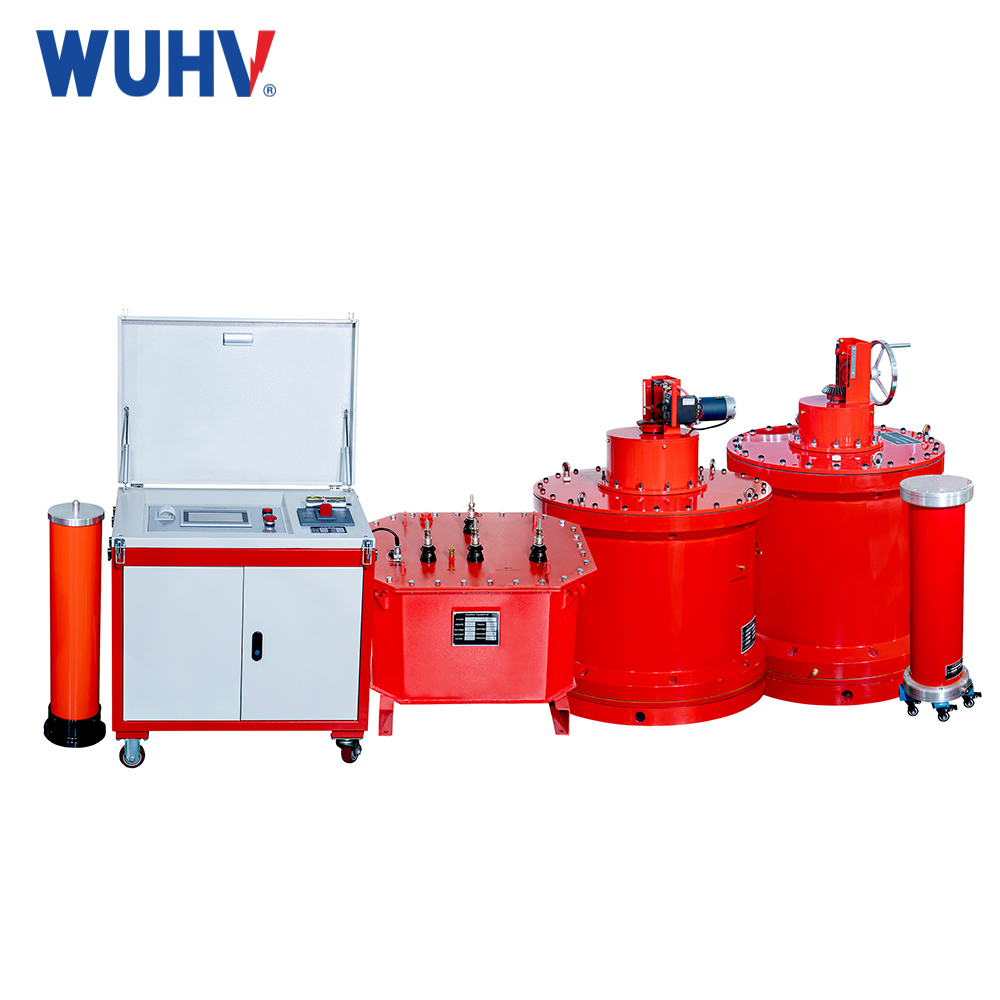
In the field of electrical engineering, the reliability of grounding resistance is directly related to the safe operation of equipment and even personal safety. And 'Programmable Тестер сопротивления заземления', which sounds a bit professional, what exactly is it? How does it help us build a strong security line? Today, let's unveil its mysterious veil together.
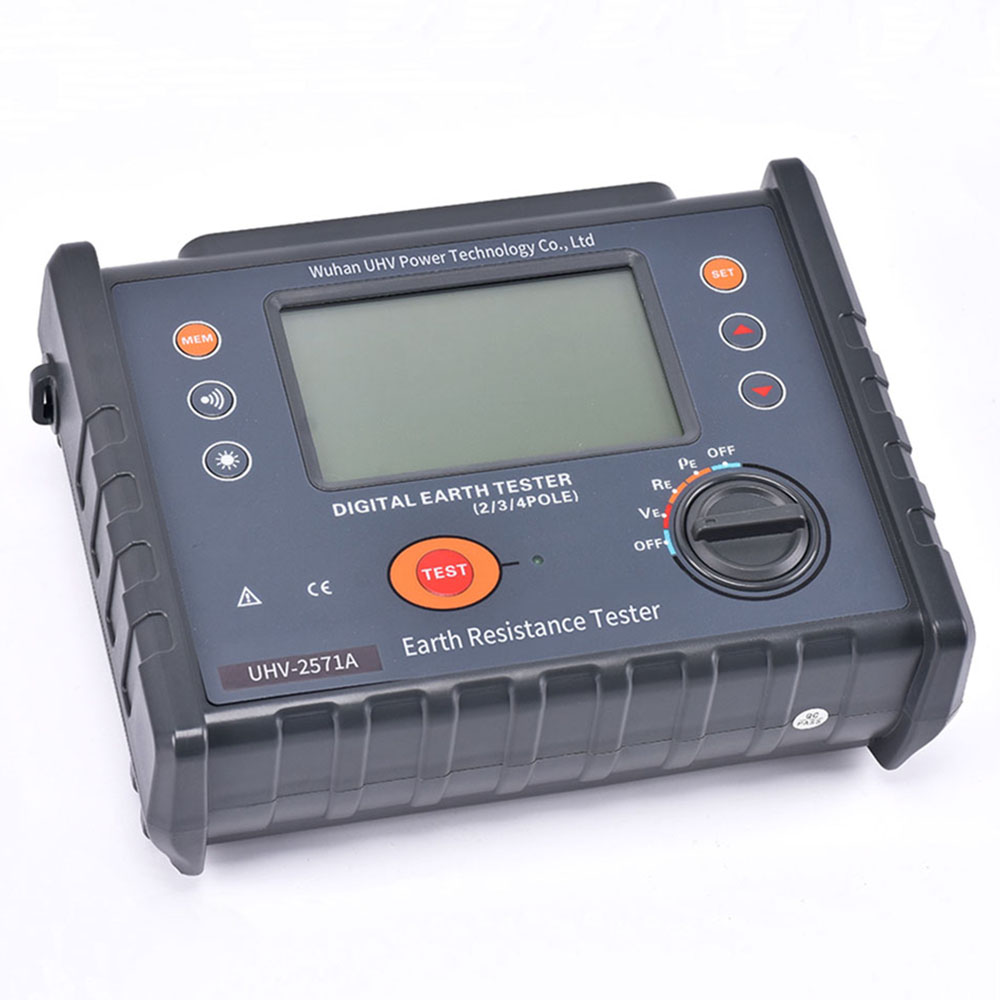
What is a programmable grounding resistance tester?
Simply put, it is an intelligent instrument that can accurately measure the resistance value of the grounding system. Compared with traditional testing methods, the programmable grounding resistance tester has program control function, which can automatically complete a series of measurement steps according to the preset program, greatly improving the efficiency and accuracy of testing. The measurement of grounding resistance is to ensure that in the event of a fault, the current can be safely guided into the ground, avoiding equipment damage or electric shock to personnel.
The 'things' that affect grounding resistance
Measuring accurate grounding resistance is not a simple task. There are several key factors that we need to pay special attention to:
Soil resistivity: This is the most fundamental factor. The moisture, composition, and temperature of soil directly affect its electrical resistivity. For example, in the dry season, soil resistivity will increase; During the rainy season, it will decrease.
The material, size, and burial depth of the grounding electrode: The deeper the burial, the larger the area, and the better the conductivity of the material, the lower the grounding resistance is usually.
The structure of the grounding grid: The shape, mesh size, and cross-sectional area of the wires can all affect the overall grounding effect of the grounding grid.
Environmental temperature and humidity: These changes indirectly affect the conductivity of soil.
The intimate relationship between 'it' and 'it'
The application of programmable grounding resistance tester relies on the following important concepts and tools:
Grounding system: This is the core object of its operation. A complete grounding system, including grounding bodies, down conductors, neutral point grounding of grounding transformers, etc., together constitute a protection network.
Low resistance grounding: Many critical equipment, such as large generators, transformers, etc., require low resistance grounding to ensure that fault currents can be quickly and effectively conducted away.
Electrical safety regulations: Various national and industry standards have clear provisions on the grounding resistance value. The equipment produced by Wuhan UHV Power Technology Co., Ltd. is designed according to these strict standards.
How to better utilize it?
To maximize the effectiveness of the programmable grounding resistance tester, there are several techniques worth mastering:
Standardized operation: Strictly follow the instrument manual to ensure correct connection and compliance with measurement environment requirements.
Choose the appropriate testing method: Based on the actual situation, choose the most suitable testing methods such as the three pole method and the four pole method.
Multi point testing: Do not measure at just one point, choose multiple representative points for testing to obtain a more comprehensive understanding of the grounding system condition.
Regular maintenance and calibration: Just like other precision instruments, regular maintenance and calibration of the instrument is the key to ensuring its measurement accuracy and stability. Wuhan UHV Power Technology Co., Ltd. has provided professional technical support in this regard.
Combining data analysis: Compare test data with historical data, analyze trends, and predict potential issues.
A powerful tool for improving efficiency and accuracy
Wuhan UHV Power Technology Co., Ltd. is well aware of the pain points in practical operation, and therefore constantly innovates in technology. Their intelligent grounding resistance tester is not only easy to operate, but also has high measurement accuracy, which can effectively cope with various complex on-site environments. From the selection of grounding materials to the design of grounding grids, to the final measurement of grounding resistance, every step is crucial.
FAQ
Q: What is the difference between a programmable grounding resistance tester and a regular grounding resistance tester? A: The programmable grounding resistance tester has program control function, which can automatically complete the measurement, with higher efficiency, more convenient operation, and usually higher accuracy.
Q: Will soil resistivity affect the test results? A: Yes, soil resistivity is one of the most important factors affecting grounding resistance.
Q: How often should I test the grounding resistance? A: This depends on the importance of the equipment, the operating environment, and the requirements of relevant regulations. It is generally recommended to conduct a comprehensive inspection at least once a year.
Q: Where can I find a high-quality programmable ground resistance tester? A: Wuhan UHV Power Technology Co., Ltd. is a professional supplier in this field, providing a variety of high-performance power testing instruments.
Q: What safety precautions should be taken when measuring grounding resistance? A: Before operation, it is necessary to carefully read the instrument manual, familiarize oneself with the operating steps, ensure that the testing circuit is isolated from the main circuit, and carry out it under the guidance of experienced professionals.