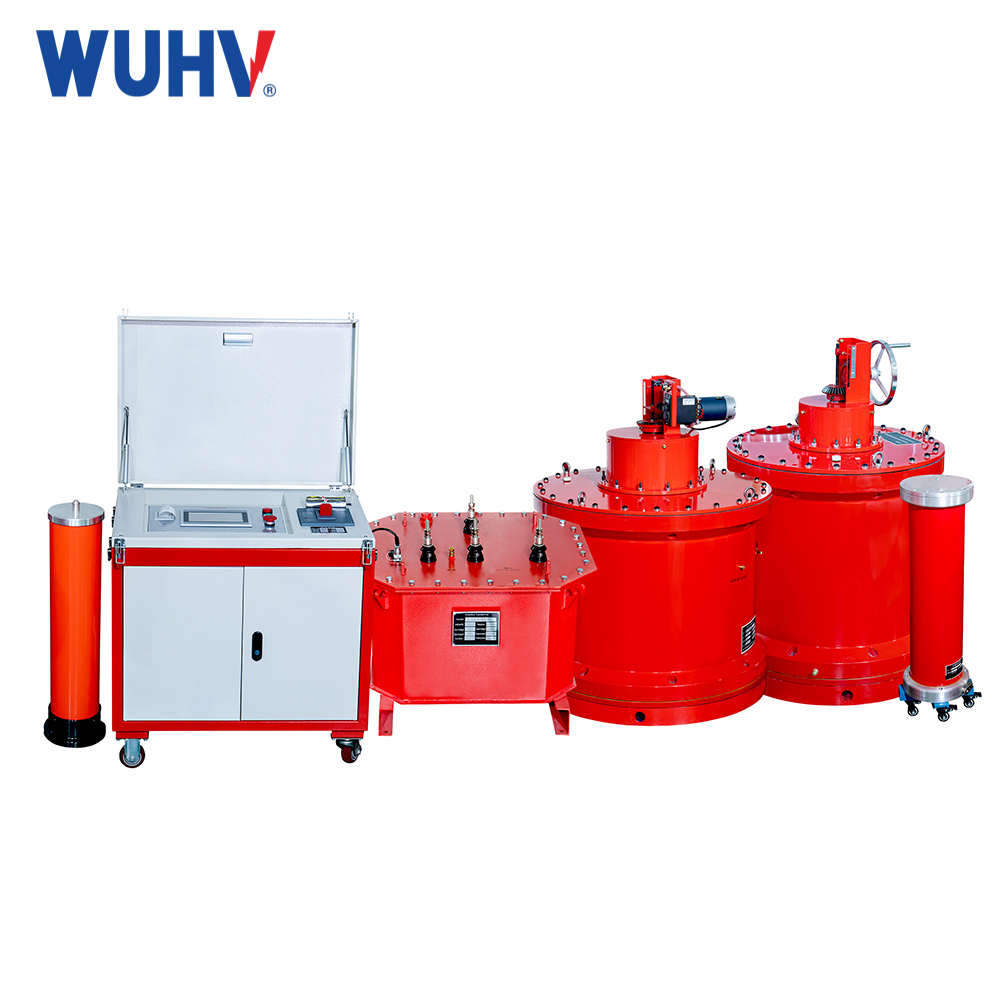
As the operating years of power equipment continue to increase, the insulation status of generator stator windings is receiving increasing attention from power companies and equipment maintenance personnel. Partial discharge is one of the important indicators reflecting the insulation performance of electrical equipment. Timely detection of partial discharge phenomena can help determine whether there are potential defects in the insulation system and reduce the risk of insulation failures during generator operation. Therefore, selecting appropriate generator partial discharge test equipments is of great significance for monitoring the status, maintenance, and safe operation of generators.
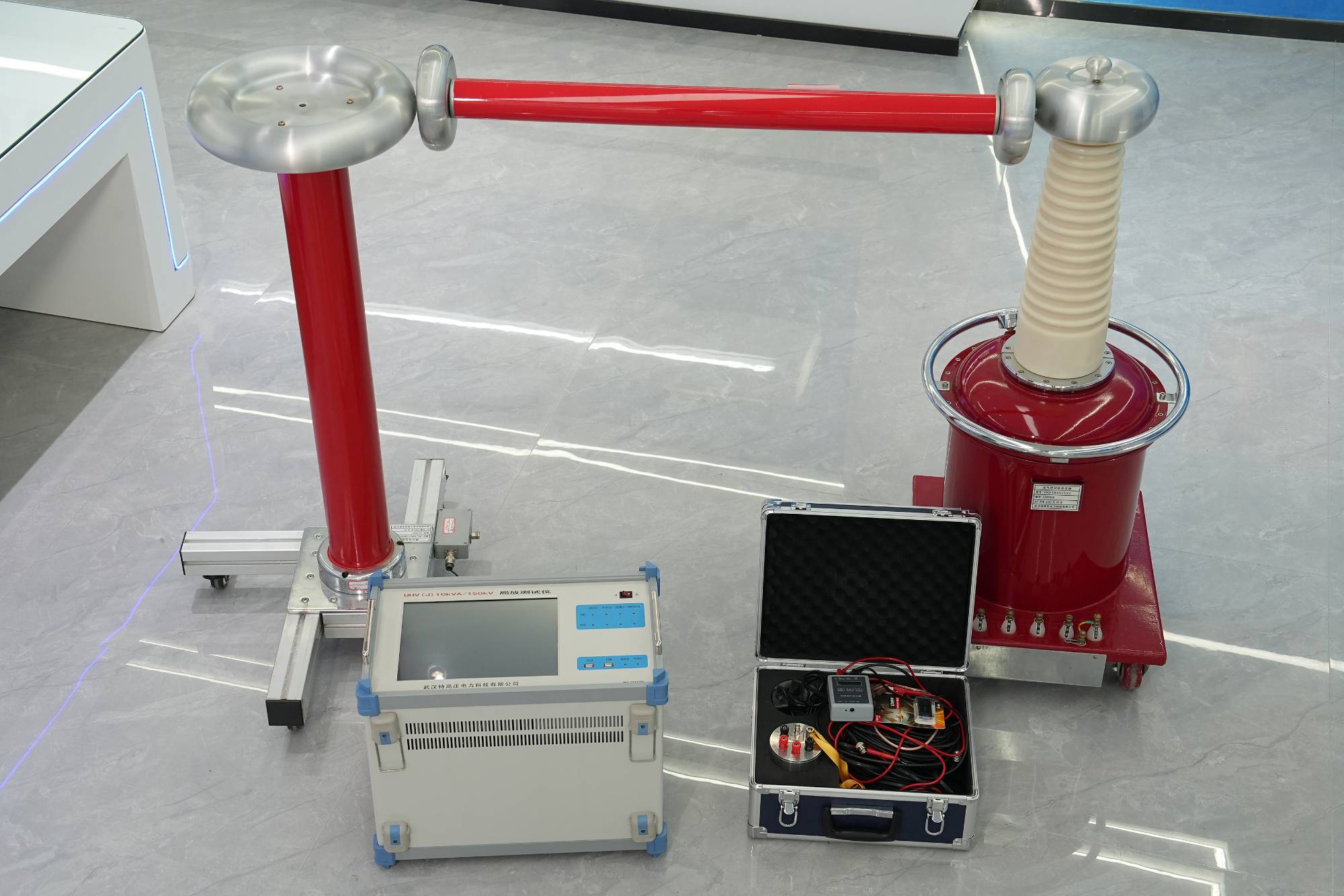
Select equipment based on generator type and testing requirements
There are certain differences in the insulation structure, operating environment, and detection requirements of generators with different capacities and voltage levels. When selecting partial discharge testing equipment, the judgment should be based on the rated voltage of the generator, the insulation form of the stator winding, and the actual testing scenario.
For the factory testing of newly manufactured generators, it is necessary to focus on the detection sensitivity, measurement stability, and data recording capability of the equipment; For generators that have already been put into operation, consideration should be given to whether the equipment is suitable for on-site detection and whether it can effectively identify partial discharge signals in environments with electromagnetic interference.
Pay attention to the sensitivity and anti-interference ability of partial discharge detection
The generator partial discharge signal is usually weak, and it may also be affected by electromagnetic equipment, frequency converters, and other electrical noise during on-site detection. Therefore, the detection sensitivity and anti-interference ability of the equipment are key factors that need to be considered when selecting.
Testing equipment with appropriate performance should be able to collect effective partial discharge signals and use corresponding filtering, signal analysis, and interference recognition functions to help detection personnel distinguish between real discharge and external interference. When purchasing, it is also necessary to understand the measurement frequency band, detection range, calibration method, and related technical indicators of the equipment to ensure that it meets the specific testing requirements of the generator.
Select the appropriate system based on the testing method
Generator Partial discharge detections can be carried out through offline testing or online monitoring according to the test conditions. Offline testing is usually conducted under specified test conditions and is suitable for generator maintenance, insulation evaluation, and related testing work; Online monitoring can collect partial discharge signals during the operation of the generator, which is beneficial for continuously observing changes in insulation status.
If it is mainly used for generator maintenance and preventive testing, emphasis should be placed on the on-site wiring method, operating procedures, and testing efficiency of the equipment. If it is necessary to track the insulation status of the generator for a long time, attention should be paid to the system's continuous acquisition capability, trend analysis function, data storage, and communication interface configuration.
It should be noted that the measurement results and applicable conditions of different testing methods vary. It is not enough to directly determine whether there is a fault in the generator insulation based solely on the partial discharge measurement results of a single test. It should be comprehensively analyzed in conjunction with operating conditions, historical data, and other test results.
Emphasize data analysis and report management functions
Partial discharge testing not only requires obtaining measurement data, but also analyzing and recording the detection results. When selecting equipment, it should be understood whether it has functions such as discharge measurement, phase resolved partial discharge map, data storage, historical data comparison, and test report generation.
By comparing data under different times, loads, and test conditions, inspectors can observe the trend of partial discharge activity and provide reference for generator insulation maintenance and repair plans. For enterprises that need to conduct multiple generator inspections, a comprehensive data management function can also help improve the standardization and efficiency of the inspection work.
Assess the safety and on-site applicability of the equipment
The partial discharge test of the generator may involve high test voltage and complex on-site environment, and the safety protection measures, grounding requirements, operational convenience, and environmental adaptability of the equipment cannot be ignored.
Before procurement, it is necessary to confirm whether the input and output parameters, applicable voltage levels, supporting sensors, and accessories of the equipment meet the on-site requirements, and to understand their overvoltage protection, wiring protection, and related safety measures. At the same time, attention should also be paid to the installation and debugging, operation training, technical support, and after-sales service of the equipment, in order to avoid affecting the testing work due to incomplete matching or improper use.
Select equipment suppliers with technical support capabilities
The actual application effect of partial discharge testing equipment for generators depends not only on the performance of the instrument itself, but also closely related to the testing plan, on-site installation, signal processing, and personnel operation. When choosing a supplier, it is important to understand whether their product technical information is complete, whether they can provide suitable testing solutions based on the specific parameters of the generator, and whether they have the ability to debug equipment, provide technical training, and perform after-sales maintenance.
For users with special testing requirements, it is also necessary to confirm in advance whether the equipment can be used in conjunction with the existing testing system and whether additional configurations are required for related functions.
Choosing generator partial discharge test equipment requires comprehensive consideration of factors such as generator type, testing method, detection sensitivity, anti-interference ability, data analysis function, safety performance, and after-sales service. Only by determining equipment configuration based on actual application needs can the effectiveness of partial discharge detection be improved, providing reliable data support for generator insulation status assessment and equipment maintenance.
With the increasing demand for status maintenance and intelligent monitoring of power equipment, partial discharge testing equipment with stable measurement performance, improved data analysis functions, and good on-site adaptability will play a more important role in generator insulation detection and maintenance work.