Введение в продукт
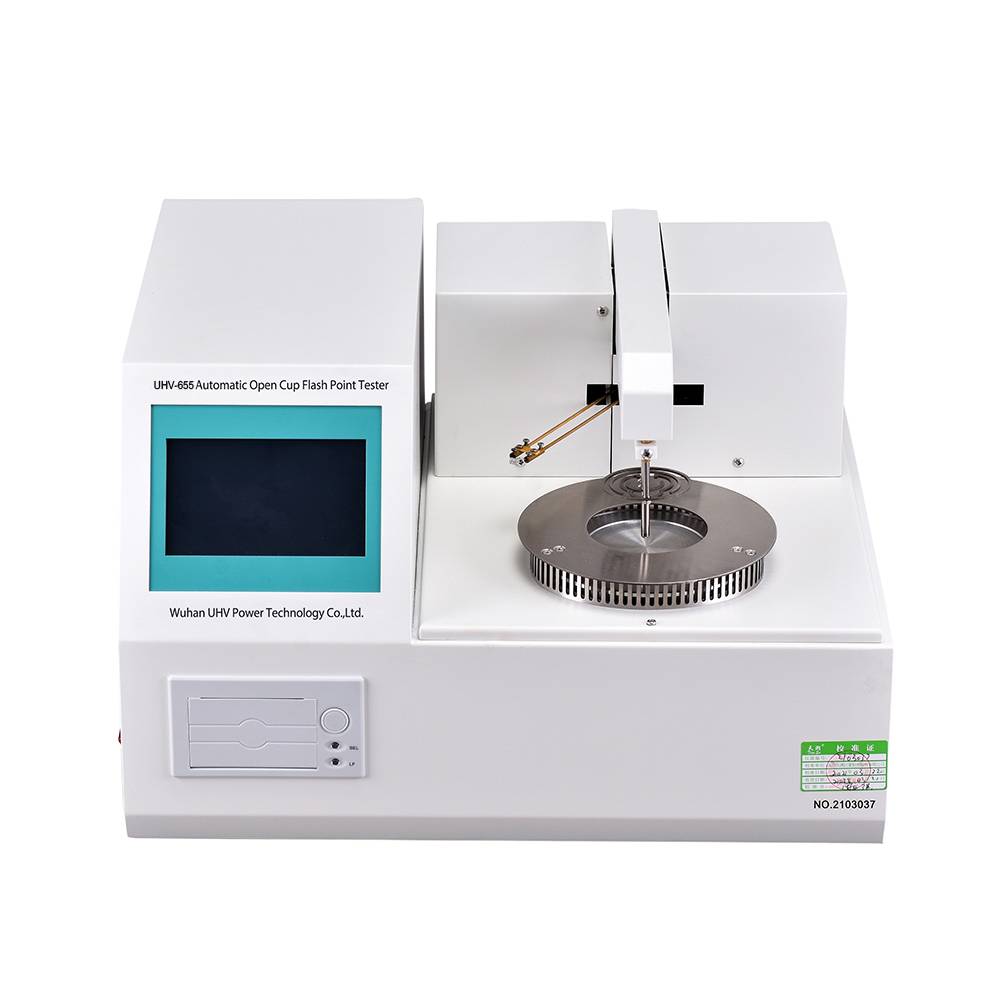
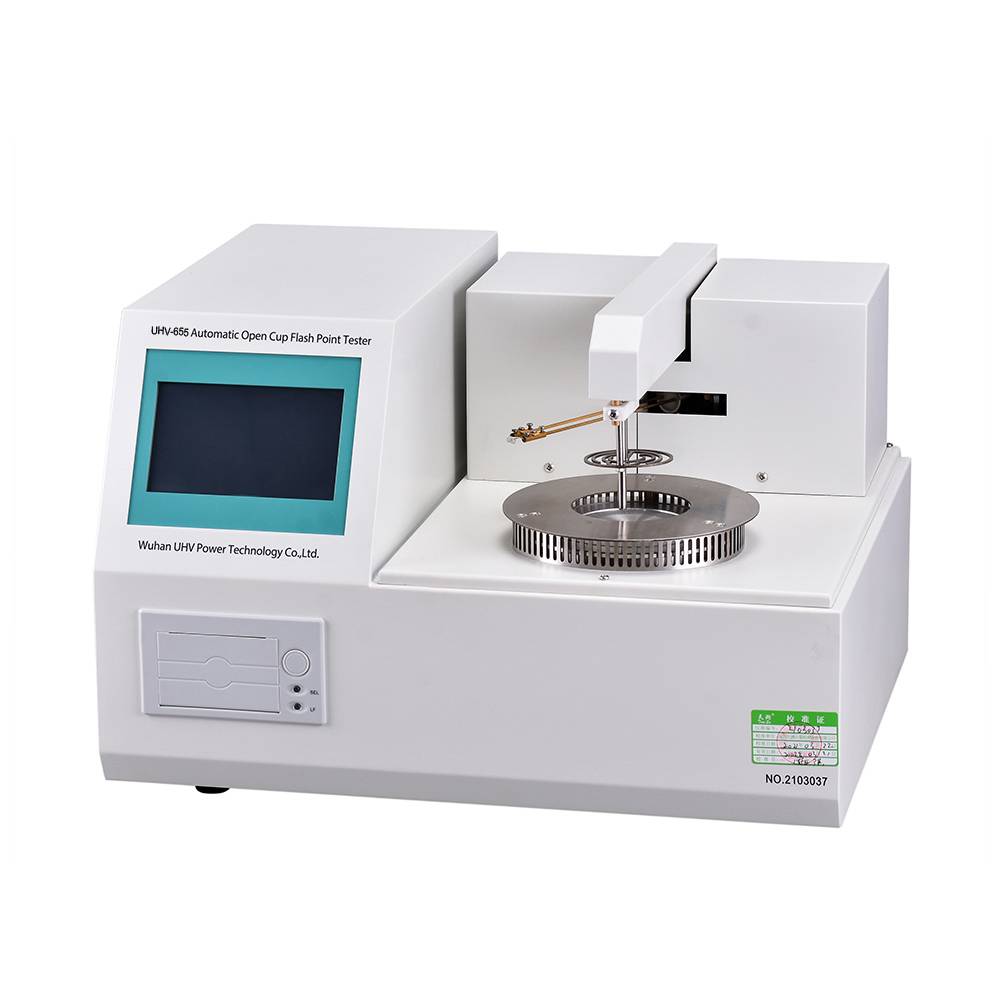
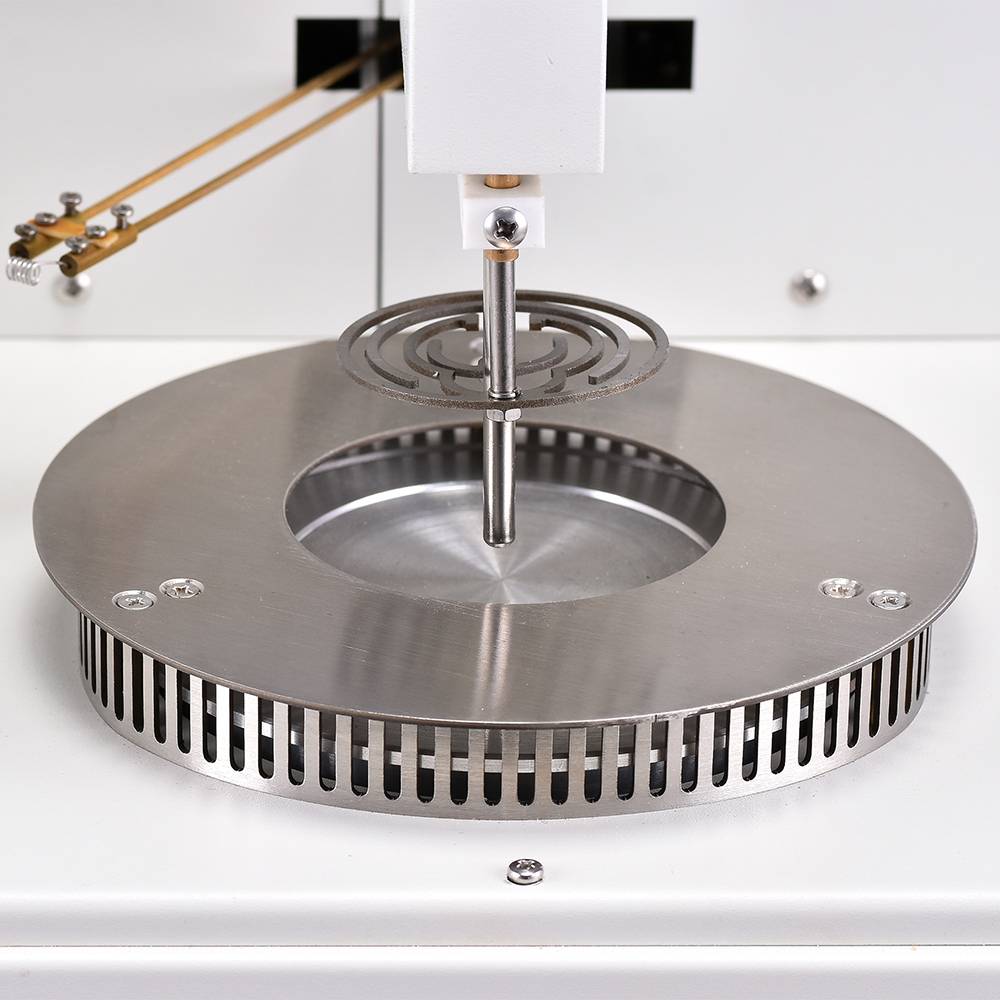
The fully automatic open flash point tester is designed for measuring the open flash point and ignition point of petroleum products. Utilizing an electric ignition method, the instrument operates without the need for any combustible gas and fully complies with the standards of ASTM D92 (GB/T 3536-2008) and GB 267-88.
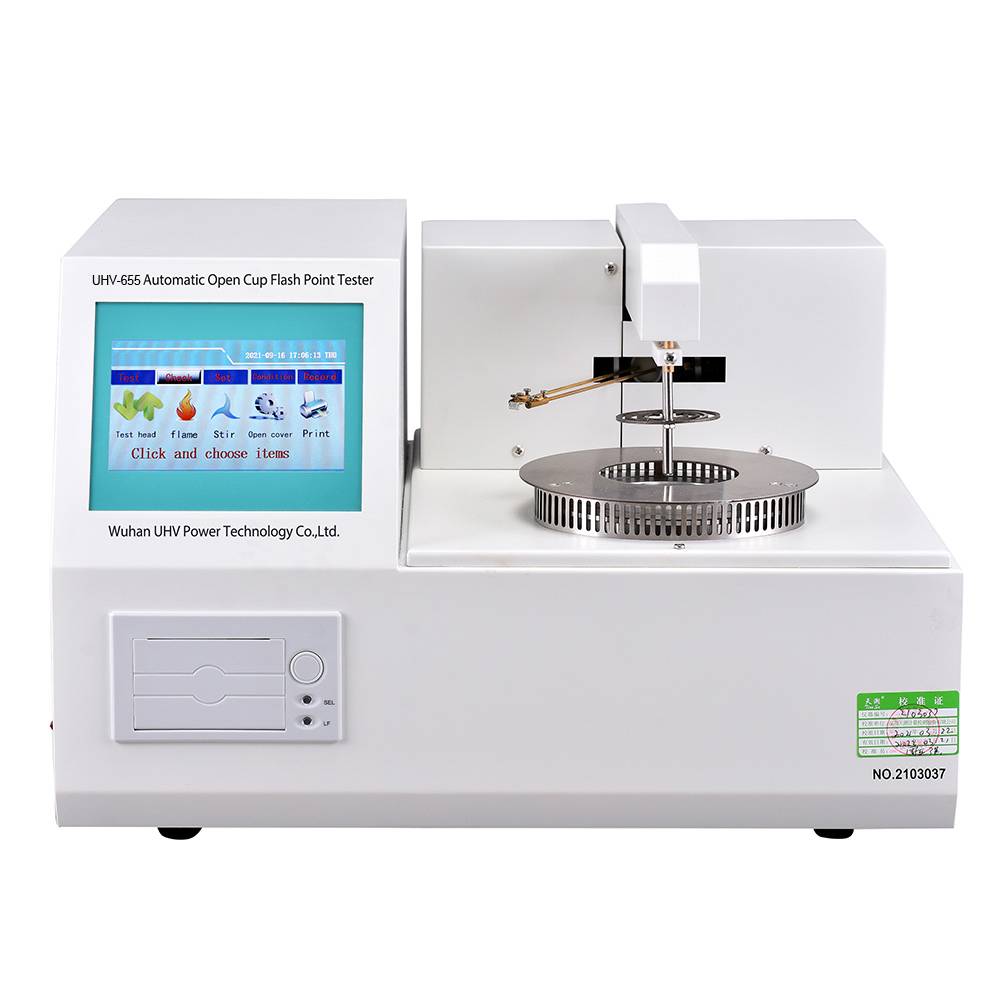
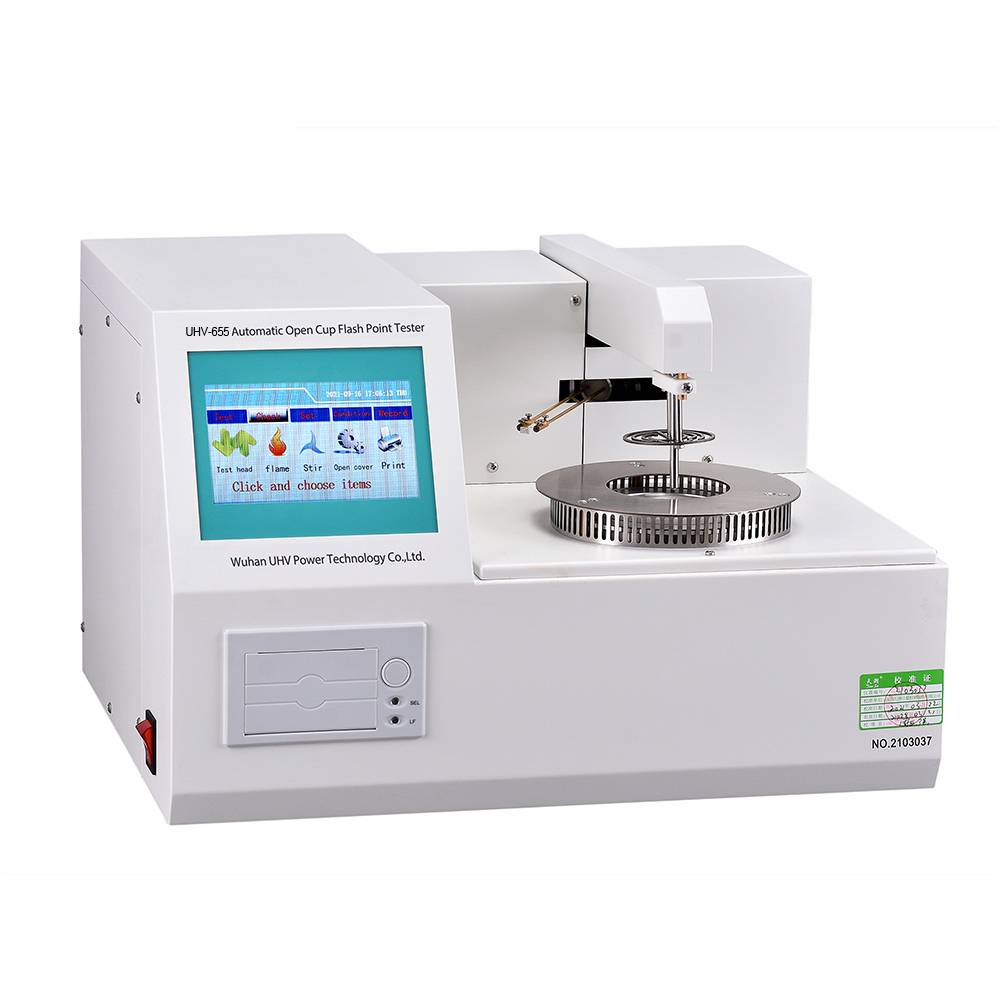
Equipped with an ARM-based high-performance microprocessor, electrically erasable memory capable of storing thousands of data entries, a color LCD touchscreen, and PID self-tuning technology, the instrument integrates state-of-the-art advancements.
With performance and functionality at the forefront of both domestic and international standards, this open flash point tester serves as a premium domestic alternative to imported instruments, widely applied in industries such as petroleum, power, chemicals, and commodity inspection.
1. Comprehensive Functionality: Capable of detecting both flash point and ignition point, with integrated test result printing. The built-in clock chip automatically displays the current date and time, and retains settings during power outages.
2. High Measurement Accuracy: Temperature control error is within ±1.5°C, with a resolution of 0.1°C.
3. Excellent Repeatability: Under testing conditions compliant with GB/T 3536 (ASTM D92) or GB/T 267-88, repeated testing of the same sample yields a flash point variation of ≤4°C.
4. High Level of Automation: Automatically completes the entire testing process, including cooling, with intuitive on-screen prompts to guide operation.
 |  |  |
Технические параметры
| Диапазон измерений | Room temperature~400 ℃ |
| Тип обнаружения | Open flash point or ignition point |
| Обнаружение температуры | platinum |
| Точность | ±1℃ |
| Повторяемость | conform to GB3536-2008(ASTM D92)、GB/T 267-88 |
| Отображать | Color LCD display |
| Хранение информации | Can store 1000 measurement results |
| Метод зажигания | электрическое зажигание |
| Метод охлаждения | Forced air cooling |
| Принтер | Dot matrix thermal printer |
| Self inspection function | Lifting rod, sweeping rod, printing, etc |
| Власть | ≤600VA |
| Using the power supply | AC 220V ± 11V, frequency 50Hz ± 2.5Hz |
| Температура окружающей среды | 10~35℃ |
| Влажность окружающей среды | ≤90% |
| Масса | About 17kg |
Working principle
The open flash point tester records the low temperature of liquid vapor scintillation by heating the liquid to be tested and conducting a fire source test at a specified temperature. Unlike the closed flash point tester, the open flash point tester uses an open container with a larger contact surface between air and liquid, making it suitable for detecting certain special liquids. The process of open flash point testing is slightly simpler than closed flash point testing, but the results obtained are often more practical, especially for volatile liquids.
 |  |
Application Scenarios
1. Petrochemical industry
Petroleum products: crude oil, gasoline, diesel, lubricating oil, fuel oil, paraffin, etc., used to evaluate the volatility, safety, and storage and transportation regulations of oil products (such as the flash point of diesel is a key indicator to determine its flammability).
Chemical raw materials: organic chemical raw materials such as solvent oil, benzene, alcohols, esters, etc., and their fire risks during production and transportation are tested.
2. Energy and power industry
Insulating oil: Transformer oil, cable oil, etc. The flash point is an important indicator for monitoring the quality of insulating oil. A low flash point may indicate oil aging or the presence of low boiling impurities, affecting equipment safety.
Fuel oil: Heavy oil, residual oil, etc. used in power plants are tested for flash point to ensure the safe operation of the combustion system.
3. Coatings and Polymer Materials
Coatings and inks: Flash point testing of solvents (such as xylene and ethyl acetate) in solvent based coatings and printing inks is related to the explosion-proof level design and transportation packaging requirements of the production workshop.
Polymer raw materials: plasticizers, resin monomers (such as vinyl chloride, styrene), used to evaluate the fire hazards during raw material storage and processing.
4. Pharmaceutical and food industries
Pharmaceutical solvents: Ethanol, acetone and other pharmaceutical solvents must comply with the pharmacopoeia's flash point regulations to ensure the safety of the production process.
Food additives: Flash point testing of some edible oils and fats (such as vegetable oils), used for quality control (although not directly consumed, risks need to be avoided during processing).
5. Research and quality inspection institutions
Material research and development: Performance testing of new chemical materials and fuels, providing data support for formula optimization.
Quality supervision: Third party testing agencies conduct compliance inspections on imported and exported oil and chemical products.
Frequently Asked Questions
1. What is a fully automatic open flash point tester?
The fully automatic open flash point tester is a laboratory equipment used to determine the open flash point and ignition point of petroleum products and other flammable liquids. The instrument adopts automatic heating, automatic ignition, automatic detection of flash point, and automatic display of test results, which can effectively improve testing efficiency and accuracy.
2. What is the difference between open flash point and closed flash point?
The open flash point test is conducted in an open environment and is more suitable for high flash point petroleum products, such as lubricating oil, transformer oil, heavy oil, etc; The closed flash point test is suitable for low flash point, volatile liquids such as gasoline, diesel, and solvents, so the two methods are applicable to different samples.
3. How long does a test take?
Depending on the flash point of the sample, it generally takes 10-20 minutes to complete a test, and the testing time for high flash point samples will increase accordingly.
4. Will the test results be affected by the ambient air pressure?
meeting. Modern fully automatic open flash point testers usually have built-in pressure sensors that can automatically correct atmospheric pressure, improving the accuracy and consistency of test results.
5. Does it support both Chinese and English operating interfaces?
Support. Most export models offer bilingual interfaces in Chinese and English, and other language versions can also be customized according to customer needs.